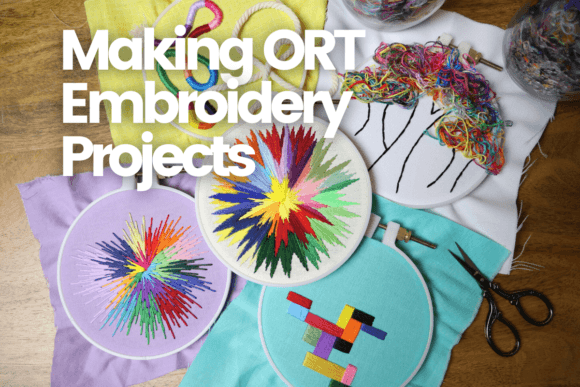
Making ORT Embroidery Projects: A Business Review
As a professional embroidery designer focused on commercial applications and branded merchandise, I approach every new resource with a critical eye toward production viability. When evaluating Making ORT Embroidery Projects, my primary concern is not just aesthetic appeal, but how this concept translates into profitable and consistent brand assets. For shop owners, Etsy sellers, and apparel decorators, managing waste is as important as managing stitch counts. This review examines the practical application of using ORTs (Odd Random Threads) in a commercial environment, specifically for creating patches, labels, and accent details that enhance brand identity without compromising professional standards.
First Impressions: Rustic Authenticity vs. Commercial Polish
Upon reviewing the premise of Making ORT Embroidery Projects, the immediate impression is one of sustainable creativity and textured authenticity. In an industry often dominated by pristine, high-gloss satin stitches, utilizing leftover thread introduces a deliberate, handmade aesthetic. For a creative studio, florist, or artisanal bakery, this visual language communicates eco-consciousness and craftsmanship. However, for corporate uniforms or high-end boutique branding, the challenge lies in controlling the chaos. The design philosophy here feels playful and resourceful, yet it requires a disciplined hand to ensure the final finished product reads as intentional art rather than production error. As a machine embroidery design concept, it bridges the gap between scrapbooking and textile manufacturing, offering a unique texture that digital files alone cannot replicate.
Real-World Applications for Small Business Merchandise
The true value of this class emerges when applied to specific business verticals. I have evaluated how these techniques perform across various commercial substrates and use cases:
- Embroidered Patches and Labels: This is the strongest commercial application. Using ORTs to create textured backgrounds for woven-style patches adds depth that standard fill stitches lack. For handmade brands, these patches serve as premium hangtags or sewn-in labels that justify higher price points.
- Apron Embroidery and Staff Uniforms: For cafés and bistros, incorporating ORT textures into pocket accents or hem details creates a bespoke look. It transforms standard custom apparel into conversation pieces, reinforcing the establishment's commitment to sustainability and detail.
- Tote Bag Design and Packaging: Canvas totes and linen packaging benefit immensely from the organic texture of mixed threads. Unlike flat embroidery, ORT projects catch light differently, making tote bag design stand out in retail environments and photography.
- Etsy Branding and Customer Gifts: Sellers can utilize these techniques to create thank-you cards with stitched elements or exclusive mini-samplers. This turns waste into design assets that drive customer loyalty and unboxing engagement.
Production Constraints: Where to Exercise Caution
While Making ORT Embroidery Projects offers creative freedom, commercial production demands consistency. There are specific scenarios where this technique requires rigorous testing before bulk runs:
- Cap Embroidery and Curved Surfaces: The irregular nature of ORTs can be problematic on structured caps. The uneven surface tension may cause registration issues with subsequent logo layers. Always test on the exact cap style before committing to a production run.
- Small Patch Sizes and Tiny Lettering: If integrating text with ORT backgrounds, ensure the lettering has adequate clearance. High texture can obscure fine details at small scales. Verify legibility at the intended hoop size before digitizing final elements.
- Stitch Density and Fabric Texture: Combining dense commercial logos with loose ORT elements creates variable tension. On lightweight fabrics, this can cause puckering. Heavier substrates like denim or canvas are safer bets for maintaining structural integrity.
- Frequent Washing and Durability: For work shirts or hospitality uniforms, security is paramount. Ensure all ORT elements are adequately anchored. Loose threads that worked artistically in a sample may become a liability after industrial laundering.
Impact on Brand Identity and Perceived Value
Incorporating techniques from Making ORT Embroidery Projects signals a distinct brand positioning. It moves beyond generic decoration to tell a story of process and material respect. For customers, seeing visible thread integration suggests a handmade product created with care, distinguishing your merchandise from mass-produced alternatives. This tactile differentiation builds trust; it shows that the business values resources and possesses specialized skills. However, visual consistency remains key. To maintain professionalism, establish guidelines for which thread colors are acceptable in your ORT mix. Randomness should be curated, not accidental. When executed correctly, this elevates the perceived value of commercial embroidery goods, allowing businesses to command premium pricing for what is essentially upcycled material.
Professional Designer Notes for Production Success
Before integrating this class into your production workflow, adhere to these technical best practices to ensure commercial viability:
- Verify Licensing and Usage Rights: Before selling any item featuring techniques from this class, confirm the instructor’s terms regarding commercial use. Ensure you have the right to sell finished goods derived from these specific methods.
- Create Printable Mockups First: Because ORT textures are unpredictable, create a physical printable mockup or stitch-out sample for client approval. Digital renderings cannot accurately simulate the variance of mixed threads.
- Test Stabilizer Compatibility: The added bulk of ORTs often requires adjusting your stabilizer strategy. Test tear-away versus cut-away options on your specific substrate to prevent distortion during the anchoring phase.
- Check Thread Color Contrast: Photograph your test samples under both natural and artificial lighting. Some thread combinations that look distinct in person may blend together in product photography, reducing visual impact.
- Inspect Spacing and Anchoring: Review your embroidery file or manual placement to ensure ORTs are secured within the design perimeter. Unsecured edges are unacceptable in retail merchandise.
- Compare Beside Existing Assets: Place your ORT sample next to your current branded merchandise. Does it complement your existing aesthetic, or does it clash? Visual cohesion is essential for brand identity.
- Document Your Process: Since ORT usage varies by batch, keep detailed notes on successful combinations and stabilizer setups. This ensures repeatability for future reorders of the same apron embroidery or patch design.
Ultimately, Making ORT Embroidery Projects represents more than just a way to use up scraps; it is a strategic tool for differentiation in the crowded custom apparel market. By approaching this class with a production mindset, small business owners can transform waste into signature design elements that resonate with eco-conscious consumers. Whether you are creating staff uniforms, retail merchandise, or exclusive Etsy offerings, the key lies in balancing artistic spontaneity with commercial reliability. Always prioritize testing, verify your rights, and ensure that every textured detail serves your broader business goals. When done right, these projects do not just save thread—they build a richer, more authentic brand narrative that customers can see and feel.