Embroidered Florals: A Blanket Stitch Review
Flowers have anchored hand embroidery for centuries, serving as the most enduring subject matter in our craft. As a designer who regularly evaluates digital assets for commercial and personal use, I approach every new machine embroidery design with a critical eye toward practical application. When reviewing "Embroidered Florals Exploring Blanket Stitch," my primary focus is not just on the aesthetic beauty of the floral motif, but on how the specific stitch structure performs in real-world production environments. This evaluation stems from preparing a custom embroidered tote bag for a boutique client, where the balance between rustic charm and structural durability was paramount.
First Impressions and Visual Personality
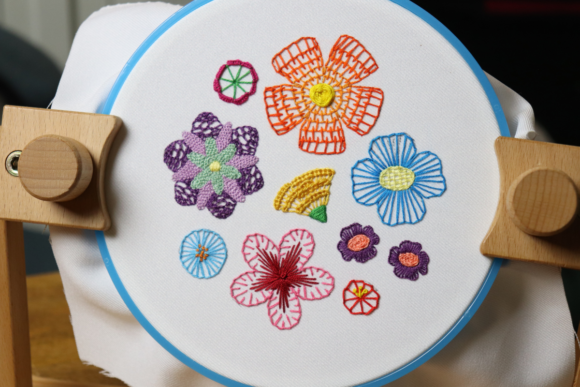
The initial impression of this design is distinctly tactile. Unlike modern, high-density fill designs that can feel plastic or overly rigid, the blanket stitch technique offers a softer, more organic edge definition. The layout suggests a nostalgic, cottage-core mood that resonates deeply with current market trends for handmade products. For an Etsy seller or small shop owner, this visual personality is a significant asset. It communicates "hand-stitched" quality even when executed by machine, bridging the gap between traditional craftsmanship and efficient production.
However, the open nature of blanket stitch means the design relies heavily on negative space and fabric interaction. In my assessment, this design does not look like a sticker placed on top of fabric; rather, it looks integrated into the textile. This integration is crucial for high-end custom apparel and personalized gifts, where the embroidery should enhance the garment's drape rather than stiffen it. The floral composition feels airy, making it an excellent candidate for projects where breathability and softness are selling points.
Real-World Application: The Tote Bag Test
To truly evaluate this embroidery file, I applied it to a heavyweight canvas tote bag intended for a farmer’s market merchandise line. Canvas is unforgiving; it highlights registration errors and tension issues immediately. In this scenario, the blanket stitch performed admirably as a decorative border and focal point. Because the stitch is essentially a variation of a buttonhole stitch, it provided a clean, finished edge to the floral shapes without requiring a separate applique layer, though it would pair beautifully with one if you prefer that style.
For sweatshirt embroidery or baby embroidery, this design offers distinct advantages over dense satin stitch alternatives. On stretchy knits, heavy fills can cause puckering or create a bulletproof vest effect on the chest. The blanket stitch structure allows the fabric to retain its flexibility. During my test on a cotton jersey sweatshirt, the design moved with the fabric rather than fighting against it. This makes it particularly suitable for holiday embroidery on children’s wear or lightweight summer tops where comfort is non-negotiable.
I also envision this working exceptionally well for home decor items like tea towels and pillow covers. The stitch texture mimics hand-finishing techniques often seen in heirloom linens. For a craft business focusing on wedding gifts or nursery decor, this design elevates the perceived value of the finished product. Customers associate this type of stitching with time-intensive labor, which justifies a higher price point for your small shop product.
Critical Considerations for Fabric and Stabilizer
While versatile, "Embroidered Florals Exploring Blanket Stitch" requires careful substrate selection. The open structure of the stitch means it lacks the self-supporting density of a solid fill. Consequently, I advise extreme caution when using this on highly textured fabrics like terry cloth or boucle unless you employ a water-soluble topping. Without a topping, the blanket stitches can sink into the pile, losing the crisp definition that gives the design its character.
Stabilizer choice is equally critical. For the tote bag project, a medium-weight cutaway provided the necessary foundation without adding bulk. For lighter fabrics like linen or quilting cotton, a tear-away might suffice, but always test first. If you are attempting this on dark fabrics, be aware that blanket stitch edges can sometimes appear less defined than satin edges. You may need to adjust your thread colors for higher contrast or add a subtle running stitch underlay to anchor the edge stitches securely.
Designers must also verify hoop size compatibility before purchasing. Floral designs utilizing blanket stitch often span larger areas to showcase the stitch texture. Ensure your machine’s maximum embroidery area accommodates the full design without excessive re-hooping, which introduces alignment risks. Always check the specific dimensions provided with the digital embroidery file to avoid disappointment.
Designer Notes for Professional Results
Before listing any item featuring this design in your shop or gifting it to a client, adhere to these professional protocols:
- Test Stitch Out: Never run this design directly on a final product without a test. Use scrap fabric of the same weight and weave to check tension and coverage.
- Contrast Check: Evaluate thread visibility in both natural and artificial light. Blanket stitch relies on shadow and texture; low-contrast threads may make the floral details disappear.
- Density Review: Inspect the stitch density in your editing software. If the blanket stitch legs are too far apart for your chosen fabric, the edge may fray over time after washing.
- Mockup Validation: Create a printable mockup or digital preview to visualize scale. A 4-inch floral motif looks vastly different on a baby bib versus an adult apron.
- Licensing Confirmation: Verify whether the license permits commercial use of the design assets for physical products versus digital distribution. Most classes and design files allow for finished goods sales but prohibit reselling the file itself.
- Wash Testing: If selling commercial embroidery items like kitchen towels or baby clothes, wash and dry your test sample three times. Blanket stitch edges can lift if the stabilizer wasn't adequate or if the thread tension was too tight.
Elevating Brand Consistency and Value
Incorporating "Embroidered Florals Exploring Blanket Stitch" into your repertoire signals a sophisticated understanding of textile art. It moves beyond generic clip-art embroidery into the realm of thoughtful surface design. For makers selling on platforms saturated with standard satin stitch flowers, this texture provides immediate differentiation. It appeals to buyers seeking authenticity and warmth in their personalized gifts and wardrobe staples.
Furthermore, mastering this stitch type expands your technical capabilities. Understanding how open stitches interact with various fabric textures prepares you for more complex applique designs and mixed-media projects. Whether you are creating an embroidered patch for denim jackets or delicate florals for bridal accessories, the principles learned here translate across categories.
Ultimately, this design serves as both a beautiful standalone motif and an educational tool. By treating it as a study in edge finishing and texture rather than just another flower pattern, you extract maximum value from the class. Your customers will notice the difference in quality, and your confidence in handling diverse embroidery projects will grow. Always remember that the success of any machine embroidery design lies not just in the digitizing, but in the maker’s intentional choices regarding materials, stabilization, and end-use context. Take the time to understand this design’s unique rhythm, and it will become a reliable staple in your creative arsenal.