Proud Rescue Mom: An Embroidery Design Review
As an experienced embroidery designer and shop owner, I approach every new machine embroidery design with a critical eye. It is not enough for a digital file to look pretty on a screen; it must stitch out beautifully on physical goods and resonate emotionally with the end buyer. When evaluating the "Proud Rescue Mom" design for my upcoming collection of personalized gift products, I looked beyond the aesthetic charm to assess its technical viability and market potential. This review shares my practical testing process and insights for fellow makers, Etsy sellers, and small business owners considering this design for their inventory.
First Impressions and Emotional Resonance
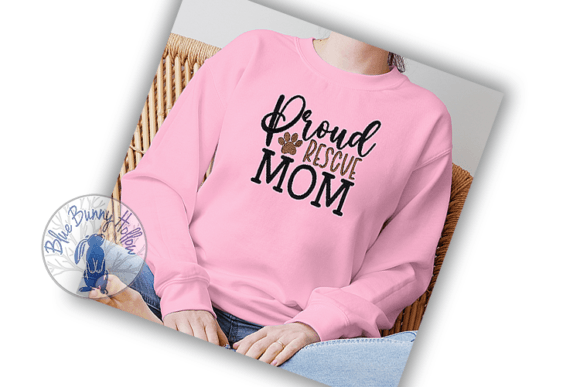
The immediate appeal of "Proud Rescue Mom" lies in its specific emotional targeting. In the niche of dog-themed merchandise, general designs are plentiful, but items that speak directly to the rescue community carry a higher perceived value. Upon loading the embroidery file, the design presents a mood that is both heartwarming and dignified. It avoids being overly cartoonish, striking a balance between playful and classic. This versatility is crucial because it allows the design to transition seamlessly from a casual canvas tote bag to a more refined pillow cover or keepsake item.
For a handmade product seller, this emotional connection is your primary selling point. Customers purchasing rescue-themed items are often buying to celebrate a personal milestone or honor a beloved pet. The typography and imagery in this design encapsulate that sentiment effectively. During my initial assessment, I noted that the lettering appears legible and the graphic elements possess enough detail to be recognizable without risking thread breaks or excessive density issues. However, as with any digital embroidery file, the true test occurs at the machine.
Technical Performance on Varied Substrates
I tested "Proud Rescue Mom" across three distinct substrates to simulate real-world custom orders: a terry cloth towel, a cotton canvas apron, and a stretchy knit fabric similar to baby onesies. Each material presents unique challenges for custom embroidery.
- Terry Cloth Towels: For an embroidered towel, pile fabrics can swallow fine details. I found that using a heavy-weight tear-away stabilizer combined with a water-soluble topping was non-negotiable. Without the topping, the stitches sank into the loops, making the text difficult to read. With proper stabilization, the design popped beautifully, making it an excellent candidate for kitchen or bath linens.
- Canvas Aprons and Totes: These stable woven fabrics are the ideal home for this design. The stitch density held up well without causing puckering. If you are creating craft fair products or everyday essentials, this substrate offers the most forgiving stitching experience and the highest durability for frequent washing.
- Stretch Knits and Baby Items: Caution is required here. While baby embroidery is a lucrative market, stretchy fabrics demand careful hooping and stabilizer selection to prevent distortion. I recommend testing on scrap fabric first. If the design includes dense fill areas, it may be too heavy for lightweight infant wear. Always verify the hoop size and total stitch count before committing to delicate garments.
Strategic Product Applications for Sellers
Understanding where to apply "Proud Rescue Mom" maximizes its commercial potential. Based on my testing, this design excels in several key categories for Etsy seller listings and local markets.
Home Decor and Keepsakes
The design’s warm aesthetic makes it perfect for home goods. A blanket embroidery project featuring this motif creates an instant heirloom. Similarly, throw pillows and wall hangings allow for larger hoop sizes where intricate details can shine. For wedding gifts, consider pairing this design with a couple's name if they are known animal lovers; it adds a personalized touch that generic monograms lack.
Functional Personalized Gifts
Items like aprons, tote bags, and garden flags are high-turnover products. Because "Proud Rescue Mom" communicates identity clearly, it performs exceptionally well on functional gear. Customers want to wear their title with pride while working or running errands. Ensure your thread colors contrast sufficiently against the base fabric so the message remains readable from a distance.
Critical Considerations and Limitations
No design is universal. There are specific scenarios where I advise caution when using "Proud Rescue Mom." Small lettering is the most common failure point in commercial embroidery. If you plan to resize this design down significantly for a cuff or pocket placement, verify that the satin columns remain wide enough to prevent needle breaks and that text does not become illegible.
Dark fabrics also present a challenge. If the design relies on subtle shading or light-colored threads, it may lose definition on navy or black backgrounds. Always compare light and dark fabric mockups before listing. Additionally, textured fabrics like linen or slub cotton can cause registration issues. If your fabric texture is uneven, increase your stabilizer weight or choose a smoother substrate to maintain design integrity.
Finally, consider washability. Products intended for frequent laundering, such as dish towels or baby bibs, require secure underlay and appropriate thread types. Polyester or rayon threads with proper tension will ensure the design survives years of use without fraying.
Enhancing Perceived Value and Buyer Trust
In the handmade marketplace, presentation drives sales. Your product photography should reflect the quality of the stitching. When photographing finished items featuring "Proud Rescue Mom," natural lighting and clean backgrounds help buyers visualize the texture and dimension of the embroidery. A high-quality printable mockup can also boost engagement in digital listings, allowing customers to see color options before purchasing.
Transparency builds trust. Clearly state the dimensions, materials used, and care instructions in your listings. If you offer customization, explain how the personalized gift aspect works. Buyers appreciate knowing that a real person reviewed the stitch-out quality. Sharing behind-the-scenes content of your testing process, much like this review, demonstrates expertise and reassures customers that they are investing in a superior small shop product.
Essential Pre-Production Checklist
Before adding "Proud Rescue Mom" to your permanent catalog, complete this practical checklist to protect your reputation and equipment:
- Verify Licensing: Confirm the commercial embroidery license terms included with the purchase. Ensure you have the right to sell finished products and understand any restrictions on digital redistribution.
- Test Stitch-Out: Never skip this step. Use scrap fabric that matches your intended final product. Check for thread breaks, bobbin issues, and alignment problems.
- Check Stabilizer Pairing: Match your stabilizer type and weight to the specific fabric. Document what works best for future reference.
- Review Thread Contrast: Test multiple color combinations. What looks good digitally may lack contrast physically.
- Confirm Hoop Compatibility: Ensure the design fits your available hoops without requiring excessive re-hooping or multi-positioning unless intended.
- Assess Detail Clarity: After stitching, examine small text and fine lines. Trim jump threads carefully to avoid damaging the design.
"Proud Rescue Mom" is a promising addition to any embroidery business focused on pet lovers and personalized gifts. Its emotional resonance combined with solid technical execution makes it a versatile asset for blankets, towels, apparel, and keepsakes. By approaching this design with professional diligence—testing thoroughly, respecting fabric limitations, and presenting finished products authentically—you can create meaningful items that customers will cherish. Remember, successful machine embroidery is equal parts art and engineering; let your commitment to quality define your brand.