Appaloosa: A Designer’s Review for Personalized Gifts
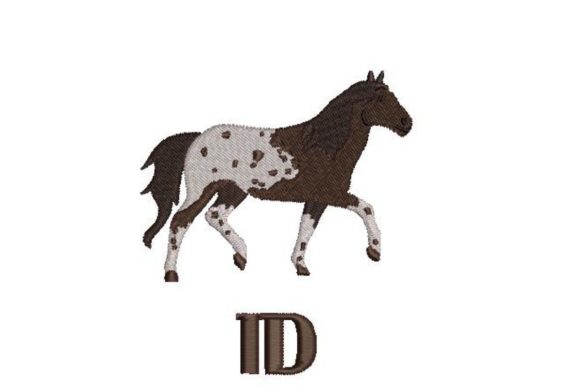
As an embroidery designer who has tested thousands of files for commercial production, I approach every new machine embroidery design with a critical eye. When preparing inventory for a personalized gift shop or an Etsy listing, the digital preview only tells half the story. The true test lies in how the design translates from screen to fabric, and ultimately, into a cherished keepsake. After reviewing the Appaloosa design, I can confidently say this motif holds significant potential for makers specializing in equestrian-themed goods. This marvelous horse breed looks astonishing if you stitch it on a nice piece of fabric and display it in your home, but successful execution requires understanding its specific character and technical needs.
First Impressions and Emotional Resonance
The immediate appeal of the Appaloosa design lies in its distinct personality. Unlike generic equine silhouettes, this design captures the unique spotted coat pattern that defines the breed. For a personalized gift, specificity is everything. Customers seeking horse-related items are often passionate about particular breeds, and offering an accurate Appaloosa representation creates an instant emotional connection. The mood strikes a balance between rustic charm and elegant nostalgia. It feels less like a cartoon and more like a tribute to heritage, making it suitable for both playful nursery items and sophisticated adult decor.
From a business perspective, this emotional resonance drives perceived value. When a customer sees a design that accurately reflects their favorite breed, they trust the maker’s expertise. This trust is the foundation of selling custom embroidery. Whether you are creating a wedding gift for an equestrian couple or a commemorative item for a 4-H participant, the Appaloosa design communicates thoughtfulness that generic stock art cannot achieve.
Ideal Applications for Gift Products
During my planning phase for upcoming seasonal collections, I identified several high-value applications for this embroidery file. The versatility of the Appaloosa motif allows it to cross multiple demographic lines within the handmade market.
- Nursery and Baby Embroidery: The gentle nature of the design makes it perfect for blanket embroidery or crib sheets. However, because Appaloosas have complex spotting patterns, ensure the design is sized appropriately so details remain clear on soft fabrics.
- Home Decor: As noted in the product description, this breed looks astonishing when displayed. A pillow cover featuring this design serves as a focal point in farmhouse or western-style interiors. Linen and cotton canvas provide the best backdrop for the intricate spot work.
- Kitchen and Utility Textiles: An embroidered towel or apron featuring an Appaloosa is a top seller at craft fairs. These items are functional yet sentimental, making them ideal gifts for horse owners who spend time in the barn or kitchen.
- Tote Bags and Accessories: For the modern equestrian, a canvas tote with this design offers practical utility with personal flair. This is an excellent entry-level product for Etsy sellers looking to expand their equine niche.
Technical Considerations and Fabric Pairing
While the Appaloosa design is visually striking, it demands respect during the production process. The defining characteristic of this breed—the leopard or blanket spotting pattern—often translates to higher stitch density and more color changes than a solid-colored horse design. As a professional, I must emphasize where caution is required to maintain quality.
Navigating Texture and Stability
If you are stitching on textured fabric like terry cloth or fleece, the fine details of the spots may get lost. In these cases, using a water-soluble topping is non-negotiable to keep the stitches crisp. Conversely, on stretchy baby clothes or knitwear, the density of the Appaloosa pattern could cause puckering. Always pair this design with a high-quality cut-away stabilizer rather than tear-away to support the weight of the embroidery over time.
Sizing and Detail Integrity
Before committing to a full production run, verify the minimum size requirements. Reducing a complex Appaloosa design too much can cause the spots to merge into muddy blobs. Check the hoop size specifications in your digital embroidery file documentation carefully. If the design includes small lettering alongside the horse, test the legibility first. Small text near dense fill areas can distort if the pull compensation isn't adequate for your specific machine tension.
Enhancing Marketability and Customer Trust
For small shop products and independent makers, presentation is as important as stitch quality. The Appaloosa design lends itself beautifully to storytelling in marketing. When photographing the finished product, use natural lighting to highlight the thread sheen and texture. Avoid flat, sterile photos; instead, style the item in context—a pillow on a leather chair or a blanket draped over a wooden fence. This helps buyers visualize the item in their own lives.
Furthermore, transparency builds sales. Clearly list the thread colors used and any special techniques employed. If you offer customization, such as changing the spot color to match a client's actual horse, showcase examples of this service. This level of detail signals to the buyer that you understand both embroidery and horses. For those selling the handmade product rather than the file itself, emphasizing the labor and skill involved justifies premium pricing.
Essential Pre-Production Checklist
Never skip testing when introducing a new commercial embroidery design to your lineup. Even experienced digitizers create files that behave differently on various machines. Follow this protocol before accepting paid orders:
- Stitch Out on Scrap: Always test on the exact fabric type intended for the final product. A test on quilting cotton does not predict performance on minky or denim.
- Contrast Check: Verify thread contrast against both light and dark backgrounds. Appaloosa spots need definition; low-contrast combinations will make the design disappear.
- Mockup Validation: Create a printable mockup or digital rendering to approve placement and scale before hooping expensive blanks.
- Wash Test: If selling items like towels or baby blankets that require frequent laundering, wash and dry your test sample. Ensure the dense spotting doesn't cause shrinkage distortion.
- Licensing Confirmation: Before selling finished goods or modified versions, confirm the commercial licensing terms included with the purchase. Protecting your business starts with respecting intellectual property.
Final Thoughts for Makers
The Appaloosa design represents a wonderful opportunity for embroidery businesses to tap into a passionate niche market. Its combination of aesthetic beauty and breed-specific accuracy makes it a strong candidate for everything from baby embroidery to heirloom wedding gifts. By approaching this design with technical diligence and creative marketing, you can transform a digital file into a meaningful, profitable product line. Remember that in the world of custom embroidery, success comes from marrying artistic vision with practical craftsmanship. Take the time to test, refine, and present this marvelous horse breed properly, and it will undoubtedly become a staple in your personalized gift collection.